Learn Why Patience Beats Reckless Aggression
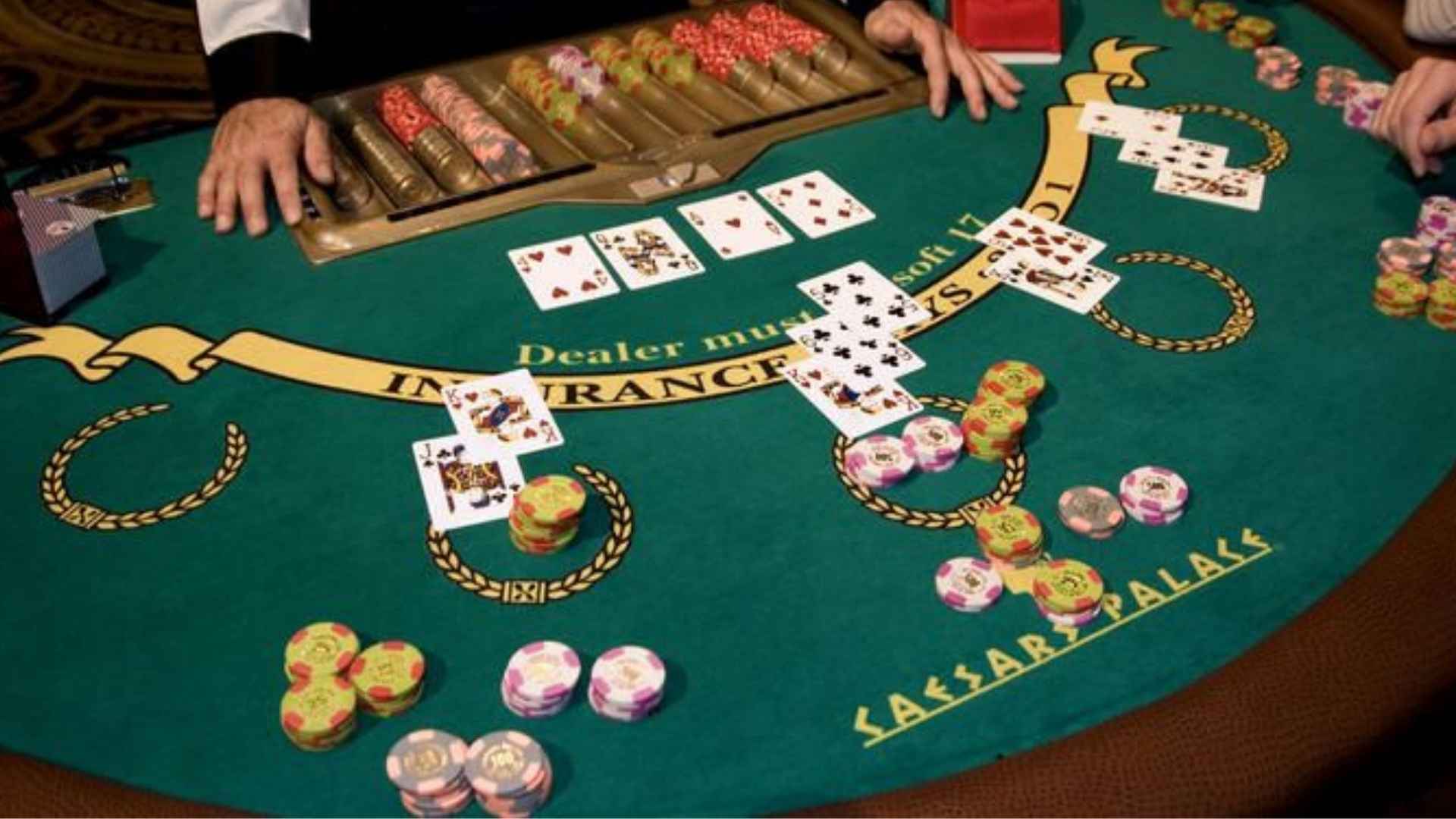
In highly competitive environments, the urge to react instantly often overshadows the power of deliberate restraint. While raw speed and immediate actions are frequently praised, long-term success relies heavily on a strategic framework built upon restraint. Understanding the core differences between calculated waiting and unbridled force can completely transform your decision-making approach.
The Psychology of High-Stakes Decision Making
Experiencing performance pressure during intense matches or critical operations can trigger basic survival instincts that lead to hasty movements. When emotional dysregulation takes over, individuals often confuse constant movement with actual productivity or tactical progress. Cultivating emotional control allows you to step back, evaluate the surrounding layout, and identify meaningful vulnerabilities.
Furthermore, maintaining absolute composure during stressful situations separates elite performers from the rest of the crowd. Rather than allowing panic to dictate the pacing, veteran strategists use stress to sharpen their perception of changing variables. This systematic mental grounding ensures that final choices are driven by logic rather than sudden bursts of anxiety.
Evaluating the Hidden Dangers of Reckless Aggression
Forcing unnecessary confrontations without adequate preparation is a recipe for sudden frustration and operational stagnation. Reckless actions usually stem from an incorrect belief that constant offensive pressure will automatically overwhelm an opposing force. In reality, moving forward blindly leaves crucial spaces completely unprotected and invites severe counterattacks.
Additionally, an overreliance on pure aggression frequently blinds individuals to weak external signals that hint at sudden environmental shifts. When you focus entirely on forcing a quick result, you easily miscalculate the overall resource costs required to sustain that push. This lack of situational foresight transforms potential breakthroughs into costly setbacks.
The Value of Calculated Strategic Patience
True tactical excellence manifests when an individual learns to bide their time until the absolute perfect window appears. Exercising restraint is not a sign of passivity or hesitation; instead, it represents an active gathering of vital battlefield data. By monitoring the natural flow of the arena, you can conserve your maximum energy for high-impact opportunities.
Smart operators realize that letting an opponent make the first critical mistake is often the most reliable path to a definitive victory. This calculated approach shifts the burden of risk onto the opposition, forcing them to exhaust their capabilities prematurely. When they finally overextend, a precise and coordinated response can finish the encounter with minimal downside.
Building Sustainable Habits for Long-Term Progress
Transitioning from a reactive playstyle to a deeply disciplined mindset requires continuous training and daily dedication. It helps to actively review past performances to pinpoint exactly where impulsivity disrupted an otherwise solid plan. Building a structured baseline of certainty before an event begins can dramatically reduce unforced errors.
Ultimately, long-term advancement relies on valuing gradual, measured steps over temporary bursts of lucky motivation. Developing strong spatial awareness and recognizing structural rhythms will naturally elevate your tactical agility over time. By prioritizing patience, you establish a resilient framework capable of dominating any competitive landscape.