Why A Changing Banker Could Transform The Atmosphere
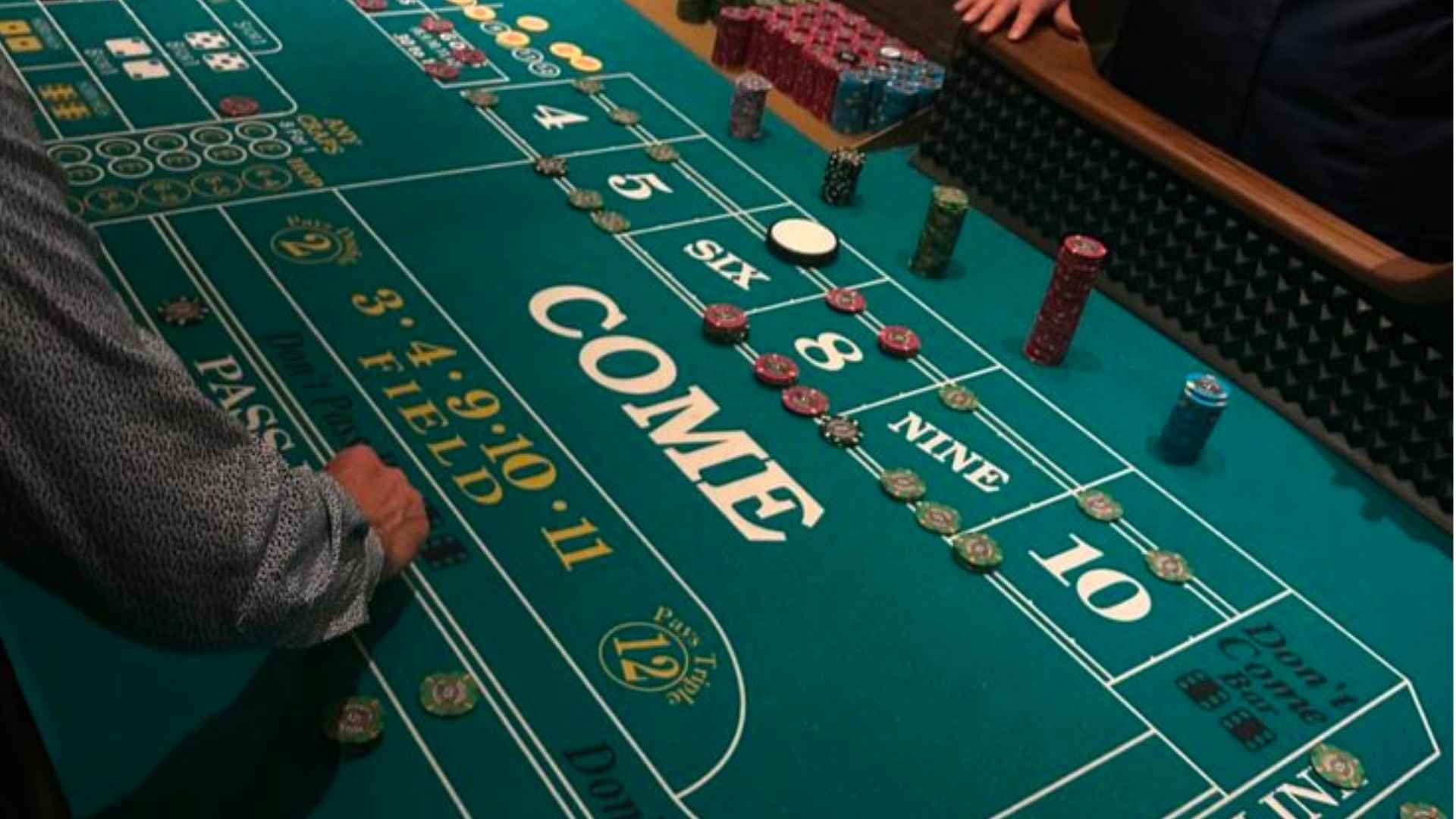
The operational flow of classic casino table games has always been heavily dependent on the human infrastructure supporting each round. When traditional gaming houses utilized a dynamic system where the banking responsibility shifted among participants, the overall energy of the room altered dramatically. Exploring how a rotating deal alters participant behavior offers fascinating insights into historical table dynamics and psychological engagement.
The Shifting Dynamics of Collective Risk
In older European card rooms, a permanent dealer representing a corporate house was not the standard setup. Instead, individual players took turns assuming the financial liabilities and operational burdens of managing the table funds. This structural adjustment transformed passive observers into highly active stakeholders who had to carefully calculate their exposure against the remaining participants.
When a new participant stepped into the banking role, the psychological baseline of the entire table immediately reset. Seated players had to re-evaluate their wagering amounts based on the perceived risk tolerance and financial backing of the current dealer. This fluid arrangement ensured that no two rounds felt identical, maintaining a high level of environmental tension and strategic variety.
How Changing Leadership Controls the Table Rhythm
The personal habits and physical speed of an individual banker dictated the natural momentum of traditional card play. A cautious operator might slow down the distribution of cards to carefully monitor table positions and large wagers. Conversely, a more aggressive individual could accelerate the pace, placing immense psychological pressure on opponents who preferred more calculation time.
Modern enthusiasts looking to witness similar structural variety can explore contemporary platforms via an m88 app download to see how diverse table formats are organized today. While digital interfaces automate the core arithmetic, they often recreate the varying speed and localized tension that historical players experienced during live dealer transitions. Understanding these structural changes helps modern players appreciate the strategic depth behind manual card distribution rituals.
The Interpersonal Alchemy of Shifting Roles
A rotating banking system fundamentally altered the social hierarchy and communication styles within early gambling salons. When an individual assumed the bank, they gained considerable social influence and defensive advantages relative to the physical seating arrangement. This specific power balance forced remaining participants to rely heavily on collective observation and quiet teamwork to navigate their shared risk.
Ultimately, the custom of changing table responsibilities proves that early casino entertainment was built entirely around human interaction. The constant transition of financial power prevented the gameplay from becoming formulaic or predictable over extended sessions. By examining how these historic role adjustments influenced group psychology, we gain a much clearer perspective on the sophisticated evolution of global tabletop culture.